
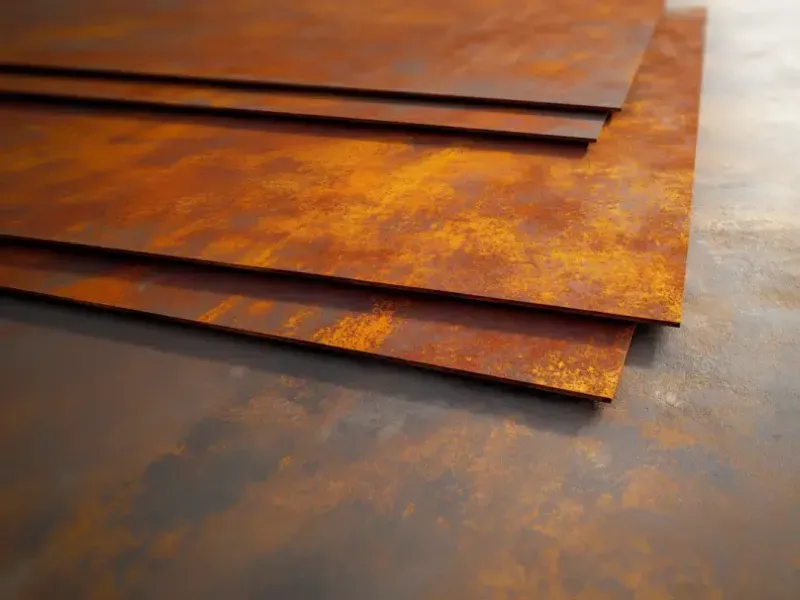
Corten Steel: Benefits, Applications, and Denton-Powell Projects
Corten steel, also known as weathering steel, is fast becoming an increasingly popular material in contemporary construction and architectural design, and it is one we are excited to be working with at Denton-Powell. Known for its striking, naturally weathered finish and long-term performance, Corten offers a unique balance of strength, durability, and visual character, making it a practical solution for exposed structural and architectural steel applications.
At Denton-Powell, we are actively exploring the use of Corten steel across a range of bespoke fabrication and construction projects. See our Showcase page to view current and completed work.
What is Corten Steel
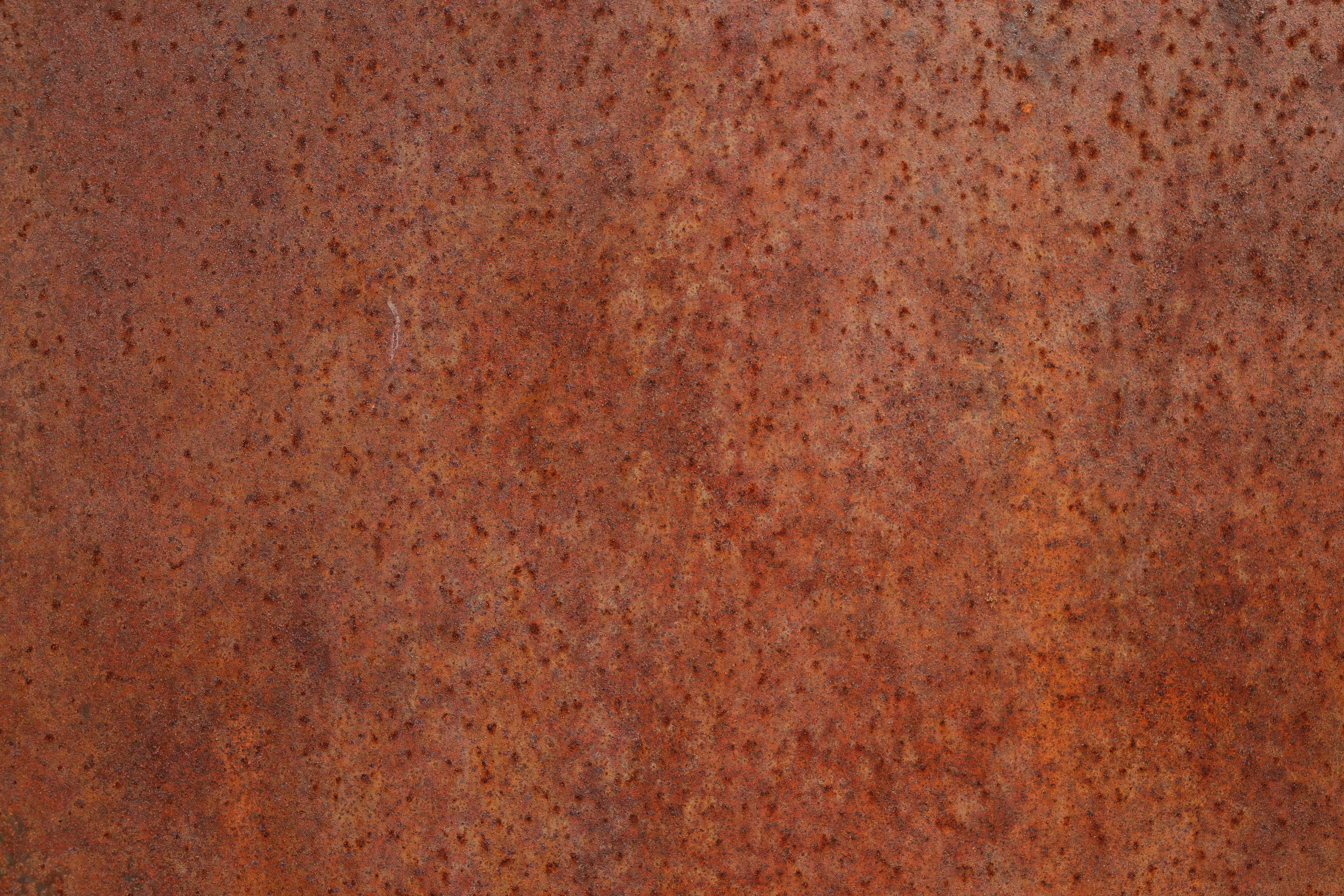
Corten steel is a group of high-strength steel alloys designed to develop a stable, protective external layer of rust when exposed to the elements. The name COR-TEN reflects its two defining qualities, corrosion resistance and tensile strength. Unlike conventional carbon steel, which forms a loose, flaky rust layer that continues to degrade the material, Corten steel develops a dense, tightly bonded protective patina that adheres to the surface and protects the steel underneath. This self-protecting behaviour is achieved through the careful addition of alloying elements such as copper, chromium, nickel, and phosphorus. When exposed to air and moisture, these elements cause the steel to oxidise in a controlled manner, forming a durable patina that seals the surface, significantly slowing further corrosion, and removes the need for paint or additional protective coatings. Thanks to its strength, atmospheric corrosion resistance, and low maintenance requirements, Corten steel is widely used in structural and architectural applications where long-term performance and visual character are equally important. Its ability to perform reliably in harsh external environments, as well as in high-temperature conditions, makes it a versatile material for demanding applications. Together, these properties make Corten a practical, robust, and visually distinctive choice for exposed environments.
History of Corten Steel
Corten steel was originally developed in the 1930s by the United States Steel Corporation and was once primarily used for railway coal wagons. Commercialised under the name Cor-Ten, the material initially achieved its enhanced performance through the addition of a small amount of copper to its chemical composition. Over time, further testing led to the inclusion of elements such as silicon, phosphorus, and chromium, resulting in the development of two main grades: Corten A, which contains nickel, and Corten B, which does not. The material quickly grew in demand due to its inherent strength and its ability to withstand harsh weather conditions, a result of the controlled corrosion process that gives Corten its distinctive character and long-term durability.
Key Features and Benefits of Corten Steel
- Low Maintenance – Corten steel is well suited to structures where access is difficult or dangerous or where future disruption to a site needs to be minimised. Once installed, the material requires occasional inspection and cleaning to ensure long-term performance.
- Lower Life-Cycle Costs - Because Corten steel requires minimal maintenance throughout its lifespan, inspection, repair, and operational costs are significantly reduced compared with conventionally coated structural steels.
- No Painting or Protective Coatings Required - By eliminating the need for labour-intensive painting or a protective coating, this reduces upfront finishing costs during fabrication while also avoiding the expense and disruption of future repainting or recoating.
- Faster Construction Programmes – Without the need for painting or coating, installation is more efficient and project timelines can be streamlined.
- Weather Resistance – One of Corten steel’s defining qualities is its ability to resist weather-related corrosion. It does this by slowing the reaction between oxygen and the steel surface, creating a natural self-protective barrier that improves durability and extends service life.
- Self-Protecting and Self-Healing Patina – Corten develops a dense, tightly bonded rust layer that seals the surface and prevents further corrosion. If the patina is scratched or damaged, the steel naturally forms a new layer of protective oxidation, resealing the surface without intervention.
- Distinctive Appearance – Corten develops a rich rust-like patina that matures over time blending naturally with many environments, giving projects a unique and enduring aesthetic.
- Environmental Benefits – The absence of blasting, painting, and recoating reduces the use of chemicals and ongoing environmental impact.
- Specialist Alloy Composition – Corten is a copper-chromium alloy, carefully engineered to provide enhanced strength, corrosion resistance, and weathering performance.
- High-Temperature Performance – Corten steel offers improved resistance to oxidation at elevated temperatures compared to standard carbon steels, making it suitable for certain applications where heat exposure is unavoidable and maintaining the material’s integrity and appearance for longer is important.
Important Design Considerations When Using Corten Steel
- Initial Rust Runoff - During the initial oxidation phase, when exposed to the elements, the steel can release rust that stains nearby concrete or light-coloured surfaces.
- Environmental Needs - Corten steel develops its protective patina best when it experiences alternating wet and dry cycles.
- Coastal and Damp Areas - While Corten steel can be used in coastal areas, high salt levels and permanently damp conditions can prevent its protective patina from forming properly.
- Joining Corten Steel with Other Metals - When Corten Steel is joined with other types of steel it can create technical challenges due to the corrosion process, Corten often acts as the more reactive metal, meaning corrosion can occur more quickly at the joint.
This is where Denton-Powell’s expertise comes through
Denton-Powell’s experience with Corten steel ensures projects are designed and executed to achieve durability and visual impact.
- Design Considerations - Key design considerations include adequate drainage, selecting compatible fixing methods, and monitoring the weathering process to achieve the desired finish.
- Environmental Challenges - As with any specialist material, challenges such as staining and environmental exposure are carefully managed through early planning and informed material selection.
Denton-Powell Ltd Visits METALCORTEN® Manufacturing Facility
Joe Champion, Managing Director at Denton-Powell, recently visited METALCORTEN® at their factory in Galdakao, located in the Biscay province of northern Spain. The visit provided an opportunity to tour the manufacturing facilities and meet directly with suppliers, strengthening relationships and gaining first-hand insight into the production and capabilities behind Corten steel. The visit provided valuable insight into Corten steel manufacturing, supply capabilities, and material performance for construction applications.

We are very excited about Corten steel and are becoming an agent for METALCORTEN®, enabling us to offer high-quality Corten fabrication across the UK.
Joe Champion, Managing Director, Denton Powell
Corten Steel Projects in Development at Denton Powell
Corten steel is a material we are increasingly excited about at Denton-Powell. Its distinctive weathered finish, durability, and low-maintenance performance make it a natural fit for our line of work, and we are actively getting involved in projects that showcase its full potential. From bold architectural features to refined exterior details, Corten offers both performance and visual impact. We are very interested in continuing to explore this material, so keep in touch and keep an eye on our showcase page to see our latest Corten projects as they develop.
Corten Steel FAQs
What is Corten?
Corten steel is a group of high-strength steel alloys designed to develop a stable, protective external layer of rust when exposed to the elements.
How long does the patina take to develop?
The distinctive reddish-brown patina typically develops over 6 months to 18 months of exposure, gradually darkening and stabilising over time. This process can also be accelerated where required.
Can Corten steel be used in construction projects?
Yes, the strength, corrosion resistance, and low-maintenance properties make Corten steel suitable for bridges, staircases, balustrades, façades, landscaping features, and bespoke structural steel projects.
Can Corten steel be used in coastal environments?
Corten steel can be used in coastal environments, however it requires careful management and regular cleaning as salt deposits can interfere with its protective patina formation and cause accelerated corrosion.
Contact Denton-Powell About Corten Steel Projects
Denton-Powell is committed to exploring how this innovative material can be used in future projects. With extensive experience in bespoke steel fabrication and installation, our team can advise on design, fabrication, and practical considerations when specifying Corten steel.